
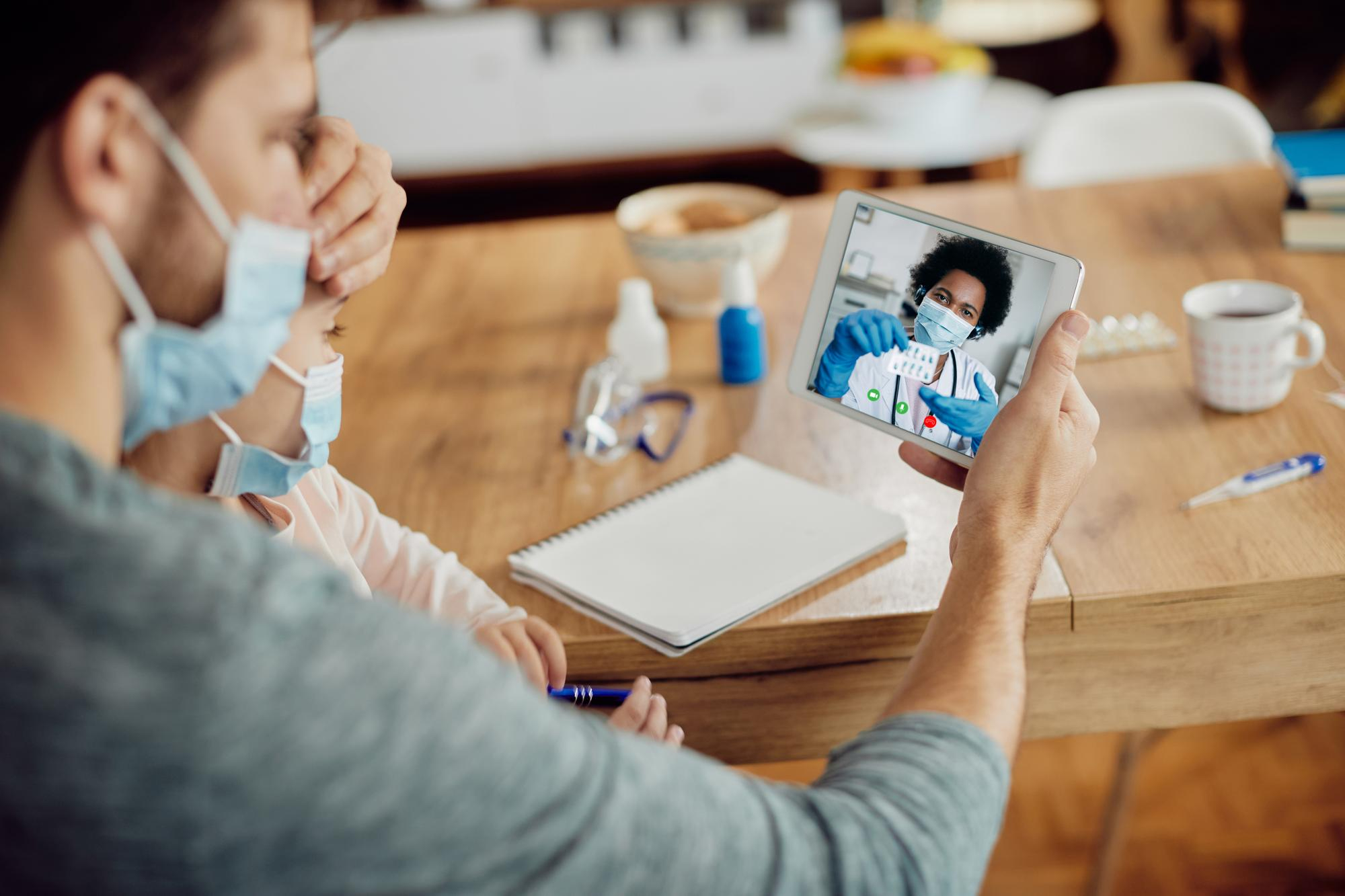
How to Prepare for an Online Doctor Consultation?
Online doctor consultations have made healthcare more convenient by allowing patients to connect with healthcare professionals remotely.
Whether you are booking an online GP appointment, consulting a specialist, or discussing your medical reports, preparing for your virtual consultation can help you make the most of your appointment.
A little preparation can help you explain your concerns clearly and ensure your doctor has the information needed to assess your health.
Here are seven practical tips to prepare for an online doctor consultation.
1. Write Down Your Symptoms
Before your appointment, take a few minutes to note your symptoms.
Consider the following questions:
When did your symptoms begin?
How frequently do they occur?
Have they become better or worse?
Are there any activities that make them worse?
Have you experienced similar symptoms before?
For example, if you have been experiencing headaches, note when they started, how often they occur, and whether you have noticed any associated symptoms.
Providing clear information can help your doctor understand your concerns.
2. Keep Your Medical History Ready
Your medical history can provide important context for your consultation.
Prepare information about:
Existing medical conditions
Previous surgeries
Current medications
Known allergies
Previous investigations or treatments
If you have recently consulted another healthcare professional, relevant details may also be helpful.
3. Keep Your Medical Reports Accessible
If your consultation involves reviewing blood tests, scans, or other medical reports, keep them accessible before the appointment.
Digital copies can be useful when your telemedicine platform supports secure document sharing.
Your doctor may review these reports to understand your health concerns and recommend appropriate next steps.
4. Check Your Internet Connection
A stable internet connection helps reduce interruptions during a video consultation.
Before your appointment:
Check your Wi-Fi or mobile data connection.
Ensure your phone or computer is charged.
Test your microphone and camera.
Keep your device updated.
Open the consultation platform before your appointment.
If your connection becomes unstable, inform your doctor and follow the platform's instructions.
5. Choose a Quiet and Private Location
Select a comfortable place where you can speak openly with your doctor.
A quiet environment can help reduce distractions and make communication easier.
Whenever possible, choose a location with good lighting and limited background noise.
Healthcare conversations may involve sensitive personal information, so privacy is important.
6. Prepare Questions for Your Doctor
It is easy to forget questions during an appointment.
Write down anything you would like to discuss.
You may want to ask:
What could be causing my symptoms?
Do I need any further investigations?
Are there lifestyle changes I should consider?
What should I do if my symptoms continue?
When should I schedule a follow-up appointment?
Do not hesitate to ask your doctor to explain anything you do not understand.
7. Follow Your Doctor's Recommendations
After your online consultation, review the advice and instructions provided by your healthcare professional.
Your doctor may recommend further investigations, a prescription when appropriate, a follow-up appointment, or an in-person assessment.
Follow the recommended care plan and contact your healthcare provider if you have additional concerns.
What Happens During an Online Doctor Consultation?
A typical online consultation may involve:
Connecting with your doctor through a video or telephone call.
Discussing your symptoms and medical history.
Reviewing relevant medical information or reports.
Receiving medical advice and recommendations.
Arranging follow-up care if necessary.
The exact process depends on your healthcare provider and the nature of your medical concern.
Make Your Next Online Doctor Appointment Easier
Online consultations provide a convenient way to access healthcare when a virtual assessment is appropriate.
Preparing your symptoms, medical history, reports, and questions in advance can help you communicate more effectively with your doctor.
If you need medical advice, explore our online consultation services and book an appointment with a qualified healthcare professional.
Medical disclaimer: This article is for educational purposes only. It does not replace professional medical advice, diagnosis, or treatment.